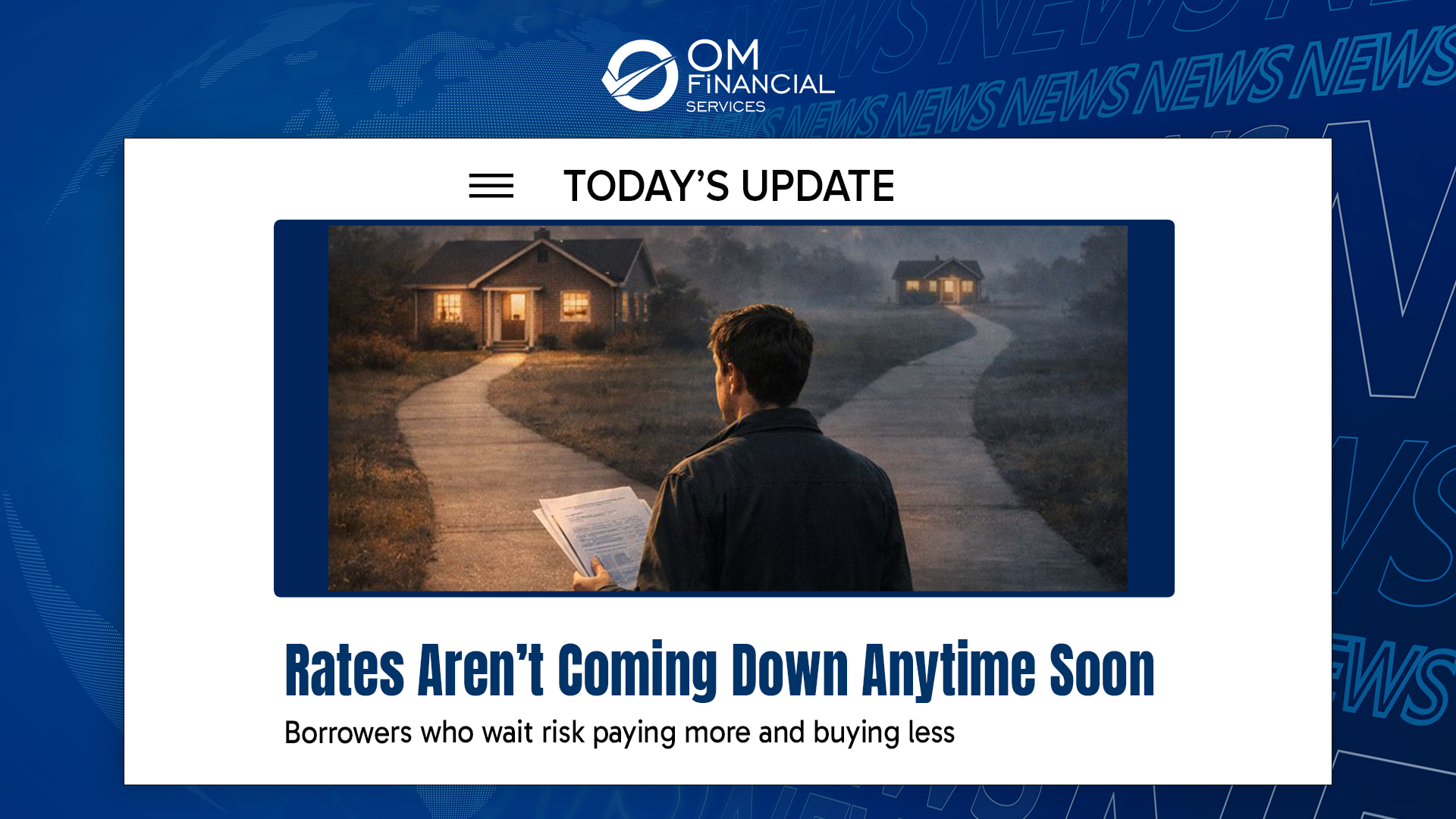
RBA Deputy Governor Rules Out Near-term Rate Cuts
In January 2026, the Reserve Bank of Australia RBA rates Australia signalled that any quick turnaround on interest rates is off the table. In an ABC interview, Deputy Governor Andrew Hauser warned that hopes of cutting the cash rate soon have been “all but extinguished”. He noted that even though inflation is easing, prices are still rising at about 3–3.4% year-on-year, above the RBA’s 2–3% target range. In fact, trimmed-mean inflation (which strips out volatile items) was 3.2% in November 2025. Hauser stressed that “inflation above 3% is too high, so the Bank’s priority remains getting inflation back on target. For now, the cash rate stands at 3.6% (held since July 2025), and markets expect it to remain on hold at the next RBA meeting.

Source
Why the RBA Rates Australia Was Cautious About Rate Cuts
Inflation remained a key consideration for the RBA in early 2026. Although price growth had eased from earlier highs, inflation was still above the target range, making policymakers cautious about reducing interest rates too soon.
According to the reporting published at the time, annual CPI inflation was 3.4% to November 2025, while trimmed-mean inflation was 3.2%. These figures were still above the RBA’s target range.
The RBA rates Australia decisions depend on a range of economic indicators, including inflation, employment, household spending and economic growth. Borrowers should therefore avoid assuming that easing inflation will automatically lead to lower mortgage rates.
What this means for borrowers
The upshot is that mortgage borrowers should prepare for higher rates to stick around longer. Here are some key takeaways:
- Budget for steady rates: If you have been reading about the possibility of further cuts to interest rates and how it may affect your finances, you should be budgeting today as if we are at the same interest rate level we are now. With interest rates remaining relatively high and repayments being our only option, ensure that you budget for these repayments and have a little extra in case interest rates rise again.
- Consider fixing some of your loan: Many homeowners are already locking in part of their loan to fixed rates for stability. As OM Financials notes, borrowers are “switching from variable to longer fixed rates” because cuts seem unlikely. A split loan (part fixed, part variable) can give you certainty while still allowing some flexibility if rates eventually fall.
- Update your borrowing power: Rising prices and high rates squeeze your buying power. If you have a pre-approval from last year, it may not stretch as far today. As OM Financials advises, “we match borrowing power to real prices today, not the estimates from 12 months ago.
How OM Financials can help
OM Financials understand that this can be very disconcerting news for borrowers. Our experienced mortgage brokers continue to monitor changes in legislation and regulations. We compare mortgage options from over 50 lenders to find the most suitable mortgage for you. We simplify the process and provide you with expert guidance throughout the entire process. Speak with one of our experienced brokers today to determine your borrowing capacity and confidently proceed with your home purchase or refinancing. Feel free to book a free consultation online or call us anytime on +61 478 876 967. Our friendly team can explain the latest mortgage strategies and help you plan for whatever the RBA rates Australia does next. Also, don’t forget to follow us on Instagram and LinkedIn to stay updated.
Frequently Asked Questions
Will interest rates always fall when inflation eases?
No. The RBA rates Australia considers the overall economic outlook, including underlying inflation, employment and demand, before changing the cash rate.
Should I choose a fixed or variable home loan?
It depends on your budget, plans and tolerance for repayment changes. Compare the rate, fees, flexibility and conditions of each option before deciding.
Can refinancing reduce my repayments?
It may, depending on your current loan, available rates, fees and eligibility. Compare the total cost over the relevant period before switching.