If you’ve been watching the property market lately, you already know things are moving fast. But the latest NAB Housing Monitor (March 2026) puts real numbers to what many buyers and investors are feeling on the ground, and the picture is worth paying close attention to.

Australian Housing Prices Are Still Climbing, But Not Everywhere Equally
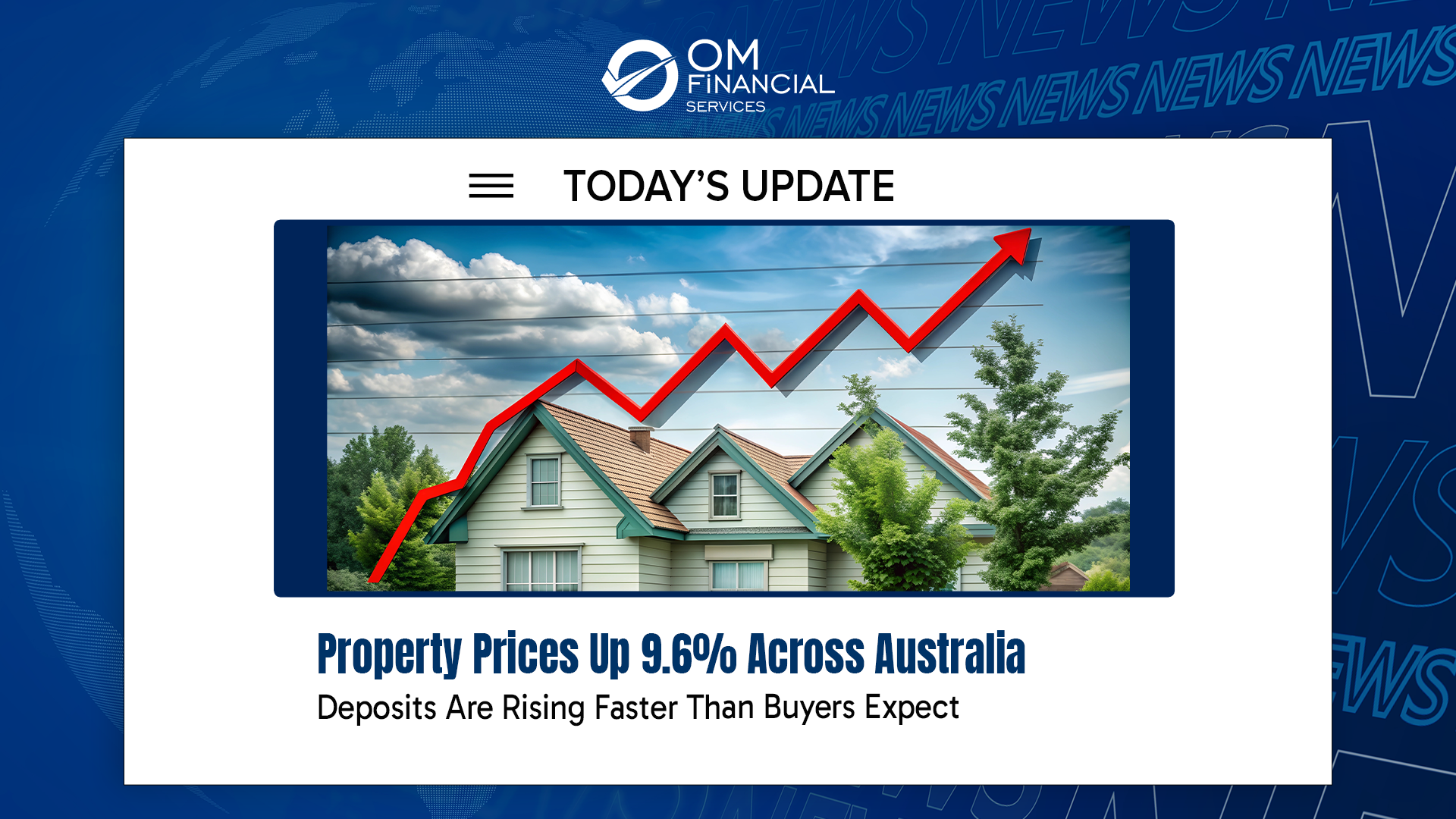
Dwelling Australian housing prices rose around 9.9% over the past year, with capital cities recording about 9.6% growth, with a 0.6% bump in February alone. The national median dwelling value is now sitting at around $900,000. That’s a significant number, especially if you’re trying to save a deposit or work out how much you can borrow.
The growth story, though, isn’t the same across the country. Perth, Brisbane, and Darwin are leading the charge. Perth is running at around 30% annualised growth over the past three months. Adelaide and Brisbane aren’t far behind either.
Meanwhile, Sydney and Melbourne are starting to cool, with Melbourne actually dipping slightly into negative territory on a short-term basis. So if you’ve been sitting on the fence in those markets, the data suggests the pressure there is easing at least for now.
For borrowers in high-growth markets, rising prices directly affect how much deposit you need and how much you can borrow. When a property’s value increases, the gap between what you’ve saved and what you need widens. Getting your borrowing capacity assessed sooner rather than later makes a real difference.
Rising Property Australian housing Prices Can Affect Your Borrowing Position
When property prices rise, buyers may need more money to purchase the same type of property.
A higher purchase price can mean:
- A larger deposit
- A larger loan
- Higher repayments
- Greater borrowing capacity requirements
- Higher upfront purchase costs
This is why checking your home loan borrowing capacity before starting your property search can be valuable.
Investors Are Back and Leading the Charge
New housing loan commitments rose sharply in the second half of 2025. What’s interesting is that investors moved first and owner-occupiers followed. That’s a pattern worth noting because investor activity tends to signal where the market is heading next.
Vacancy rates nationally are sitting at around 1.6%, near record lows, and advertised rents are rising at roughly 6% on an annualised basis. For investors, that’s a compelling combination: growing property values and high rental income. If you’ve been thinking about investing in property, the fundamentals are pointing in one direction.
What This Means for You Right Now
Whether you’re a first home buyer, someone looking to refinance, or a seasoned investor growing your portfolio, a few things are clear from this data:
Deposit requirements are effectively rising as prices climb; the sooner you understand your real borrowing position, the better. Regional markets outside the major capitals are seeing solid growth too, and in some cases offer better entry points with strong yield potential. And with investor lending leading growth, lenders are actively competing for good quality applications, which means the right loan structure and presentation matter.
Want to understand your options in this market?
At OM Financials, we help first home buyers, investors, and refinancers navigate exactly these kinds of conditions. Whether it’s working out your borrowing capacity, structuring an investment loan, or figuring out if now is the right time to move, we’re here to make it simple.
Book your free consultation today or give us a call on 0478 876 967. Also, follow us on LinkedIn and Instagram.
FAQs
1. How much have Australian housing prices increased in 2026?
According to the NAB Housing Monitor discussed in this article, capital-city dwelling prices recorded around 9.6% annual growth, while national dwelling prices increased by around 9.9% over the same period.
2. How do rising property prices affect borrowing power?
When property prices rise, buyers may need a larger deposit or loan to purchase a property. Understanding your borrowing power can therefore help you establish a realistic property budget.
3. Should existing homeowners review their home loan in 2026?
It can be worthwhile to review your loan if your interest rate, income, property value or financial goals have changed. Refinancing home loans may be one option, but the overall benefits and costs should be considered before switching.